
The Wedding Photos You Cannot Plan: Why the In-Between Moments Matter
Most couples begin planning their wedding photography with a familiar list of moments they want captured: walking down the aisle, exchanging rings, family portraits, the first kiss, speeches and the first dance.
Those photographs matter. They form the structure of the day and preserve the milestones you already know are coming.
But some of the images that grow most valuable over time are not on any shot list.
They happen in the pauses between the planned moments: a parent watching from across the room, a friend trying to calm the nerves with a joke, a hand reaching out beneath the signing table or a guest greeting someone they have not seen in years.
These moments are brief, unpredictable and impossible to recreate convincingly. They are also often the photographs that bring you back most clearly to how the wedding actually felt.
A parent’s expression before the ceremony
There is often a quiet emotional shift just before the ceremony begins.
Until that point, the morning may have been filled with activity: people arriving, clothes being steamed, flowers being delivered and everyone checking the time. Then, for a few seconds, everything slows down.
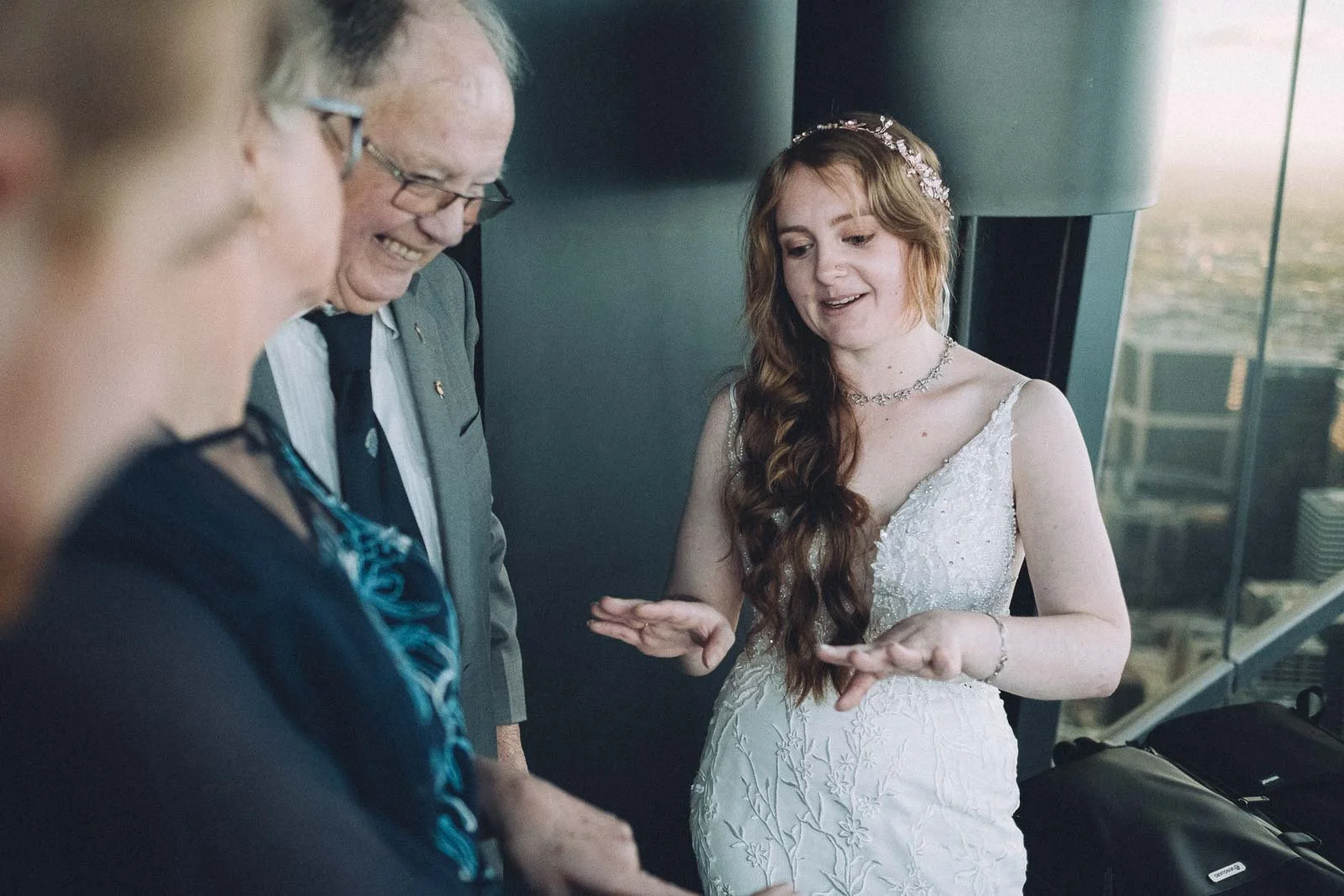
A parent sees their child fully dressed. Someone adjusts a veil, straightens a jacket or fixes a buttonhole. There may be a hug, a few nervous words or simply a look that holds years of shared history.
These moments rarely need direction. Their significance comes from the fact that the people involved are not performing them for a photograph.
They may not even realise they are happening.
A photographer has to remain attentive during these quieter transitions, because the expression may disappear as quickly as it arrives.
Friends laughing while getting ready
Getting-ready photographs are sometimes reduced to the visible details: the dress, the shoes, the jewellery and the flowers.
Those things help establish the setting, but the people usually tell the richer story.
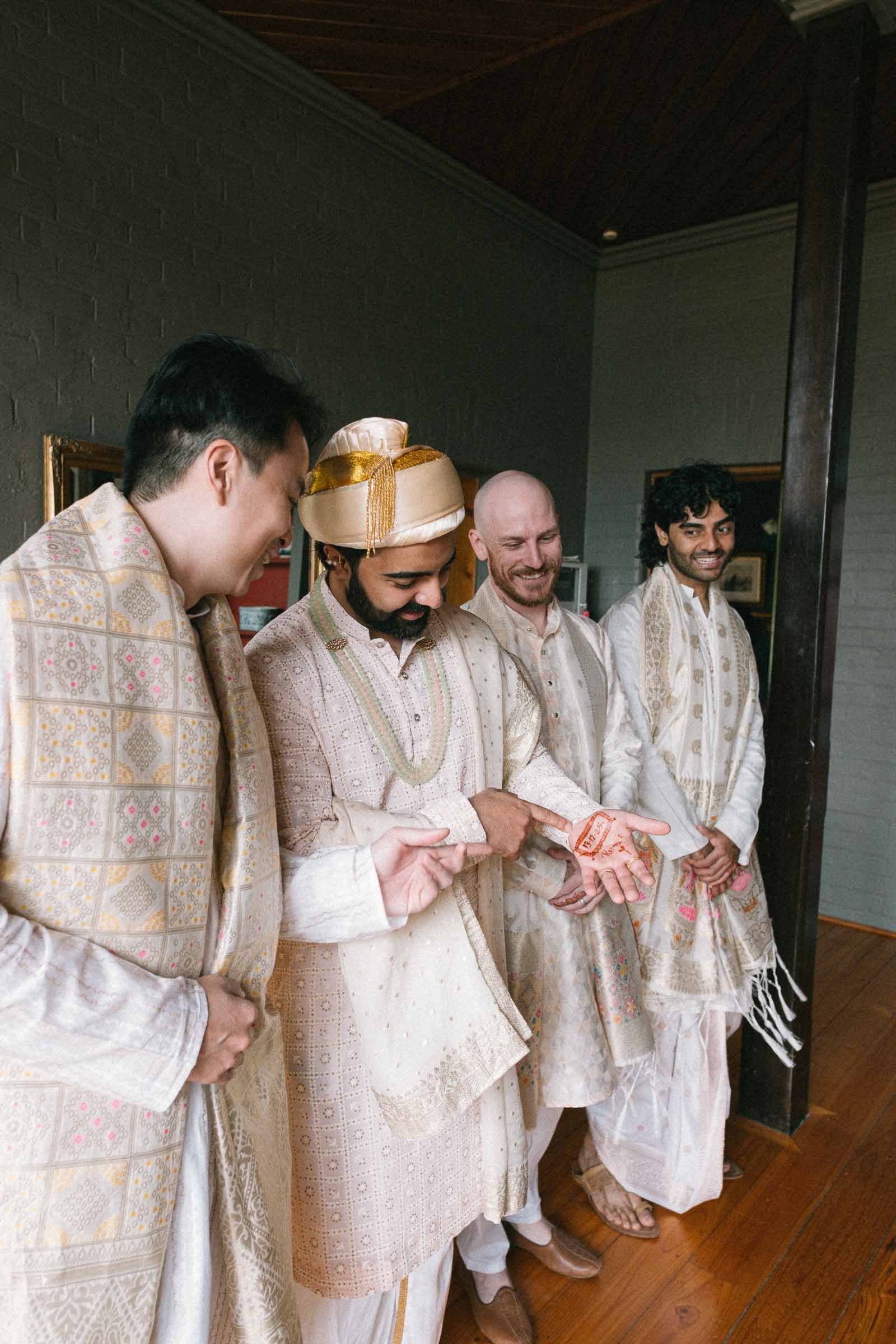
The morning is often filled with changing emotions. Friends may be laughing over an old story one minute, struggling with a stubborn button the next and suddenly becoming emotional when the reality of the day sinks in.
Someone may be searching for a missing earring. Music is playing. A friend is pouring drinks while another person tries to follow a tutorial for folding a pocket square.
These moments reveal friendships as they genuinely are: familiar, imperfect and comfortable.
Leaving a little breathing room in the morning helps. When the schedule is too tight, everyone becomes focused on getting through the checklist. When there is time to pause, people are more likely to forget about the camera and settle into the day.
The quiet gestures between you
Not every meaningful interaction needs to be dramatic.
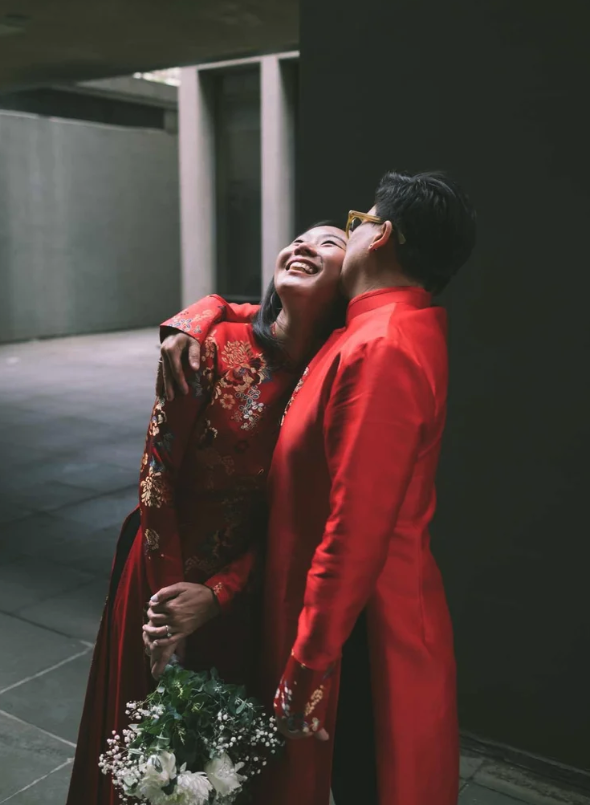
Sometimes it is a hand squeeze during the ceremony, a glance after an unexpected line in the vows or one person instinctively fixing the other’s clothing before walking into the reception.
These gestures can be easy to miss because they are so ordinary to the couple. They are often part of the private language developed over years together.
That familiarity is what gives the images their meaning.
A photographer can offer gentle direction during portraits, but genuine connection cannot be manufactured. The aim is not to make couples act naturally on command. It is to create enough ease and space for them to return to the way they normally communicate.
The strongest photographs often happen just before or after the image everyone thought they were taking.
Guests greeting one another
A wedding is not only the story of two people. It is also the story of the community surrounding them.
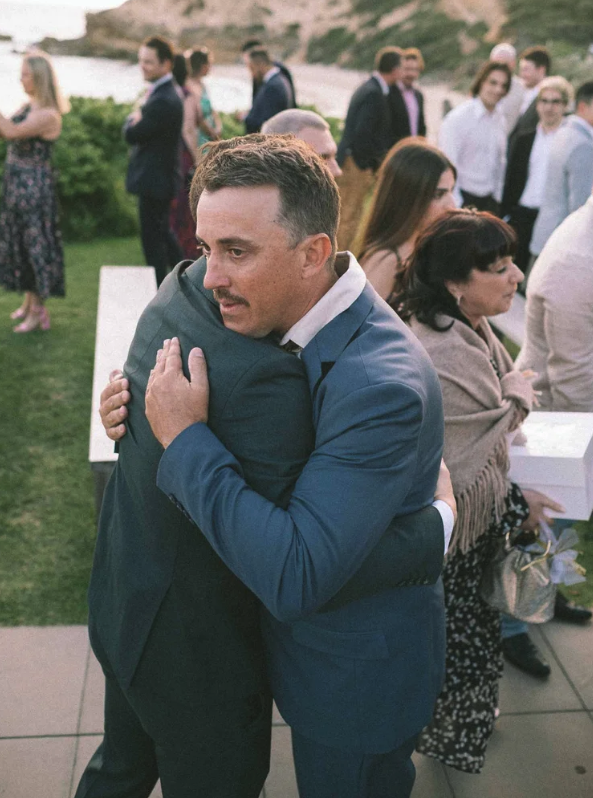
Guests may have travelled across the world to attend. Relatives may be seeing one another for the first time in years. Two families may be meeting, while old friends are picking up conversations as if no time has passed.
Photographing these arrivals, embraces and conversations adds depth to the final gallery. It shows the relationships supporting the marriage and preserves people as they genuinely were on that day.
The venue can play an important role in creating these interactions.
Spaces that are connected, comfortable and easy to move through tend to encourage guests to gather naturally. A courtyard between the ceremony and reception, a welcoming bar area or a garden where people can linger may create more meaningful moments than a series of rooms that keep everyone separated.
Couples still searching for a setting can find wedding venues in Victoria using Ever After Weddings directory and compare city, coastal, winery, garden and country properties suited to the kind of celebration they want to create.
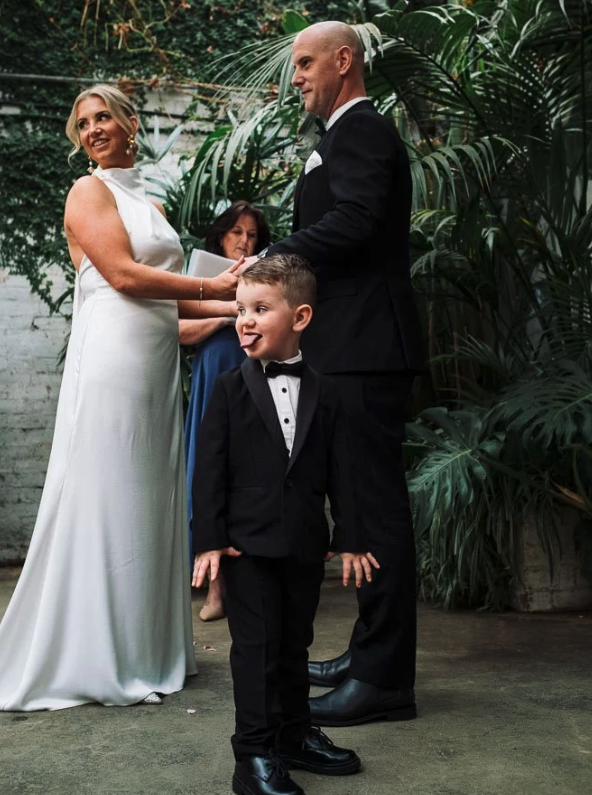
Children doing exactly what children do
Children rarely follow a wedding schedule perfectly, and that is often a very good thing.
A flower child may lose interest halfway down the aisle. Someone may hide beneath a table during dinner, pull a face during the family photographs or become unexpectedly committed to the dance floor.
These moments bring humour, movement and unpredictability to a wedding gallery.
It can be tempting to worry when children do not behave as planned, particularly during the ceremony or group photographs. But perfect behaviour is rarely what makes an image memorable.
The photograph you eventually love may be the one where everyone is looking in a different direction because the smallest member of the family has decided to leave.
Reactions during vows and speeches
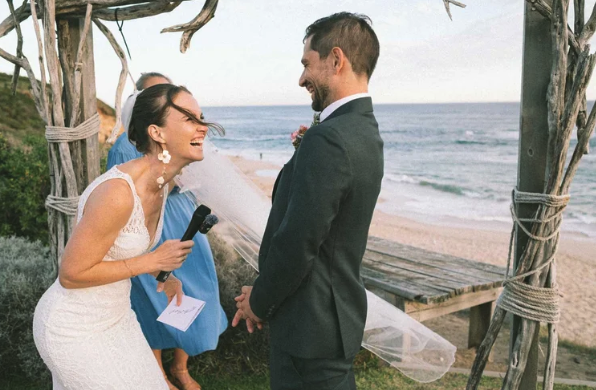
When someone is speaking, attention naturally turns towards them. But another story is often unfolding around the room.
A parent may be trying to hold back tears. Friends may recognise an old story before the punchline arrives. One partner might begin laughing before anyone else understands the reference.
During vows and speeches, reactions show the relationships behind the words.
They reveal which stories are shared, who feels the emotion most deeply and how the people in the room are connected to one another.
Photographing these moments requires anticipation. It means looking beyond the person holding the microphone and noticing the expressions at the tables, the hands reaching for one another and the quiet exchanges happening at the edges of the room.
These images give the words greater context. They show not only what was said, but what it meant to the people listening.
The final minutes of the dance floor
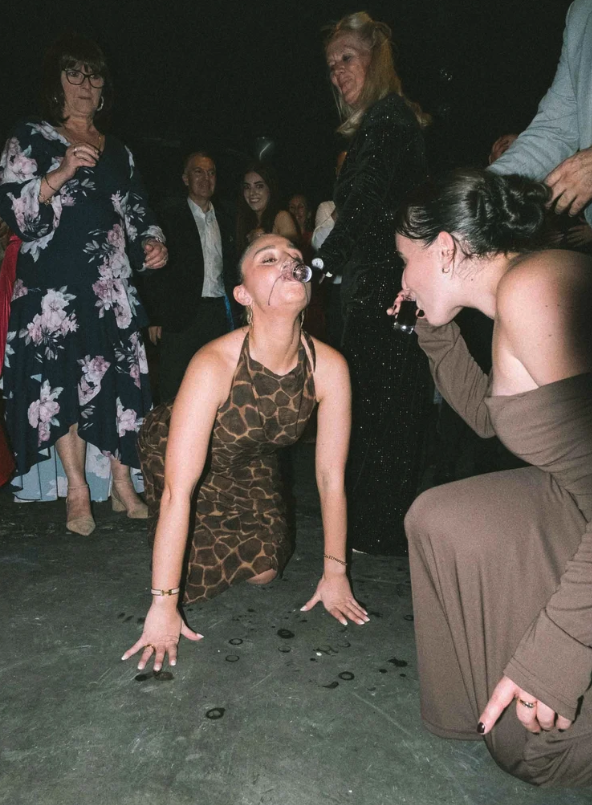
By the end of the reception, most of the formality has disappeared.
Shoes are off, jackets have been abandoned and guests are no longer thinking about how they look in photographs. Different generations and friendship groups are often crowded together for the final songs.
The images may be less polished than the portraits taken earlier in the day. The lighting may be imperfect. Hair and clothing may no longer look exactly as they did at the ceremony.
But the photographs are full of energy.
They preserve the movement, noise and sense of release that comes after months of planning and a full day of emotion.
Leaving enough room in the reception schedule for people to simply enjoy the party matters. When the evening is packed with too many activities and announcements, the dance floor may never have the chance to find its natural rhythm.
Why these moments cannot be manufactured
Couples do not need to create a second checklist for candid photographs.
Trying to schedule spontaneity usually has the opposite effect. When everyone is conscious of producing a moment for the camera, the interaction begins to feel like a performance.
What helps most is leaving space in the timeline, spending time with guests and choosing a venue where people can move and gather comfortably.
Then trust the photographer to watch.
Documentary wedding photography may look effortless, but it requires patience, experience and a sense of when something meaningful is about to happen. It means noticing where the emotion is building and being ready before anyone asks for a photograph.
A complete wedding gallery should include the milestones you expected. But it should also hold the laughter, nerves, movement, affection and imperfection surrounding them.
The photographs you cannot plan are often the ones that become more important with time.
They do not simply show what the wedding looked like. They remind you what it felt like to be there, surrounded by your people.
|
ABOUT ROHIT JHAWAR PHOTOGRAPHY
RJ is a Melbourne based Wedding and Elopement Photographer who passionately documents love stories in the most intimate, fun and candid way. He enjoys being in nature and looking at things with wonder and new eyes each day. His photography is primarily driven by a deep sense of adventure, alchemy and being present. He aspires to capture the true essence of your intimate love story and to present it in a raw and candid manner.
